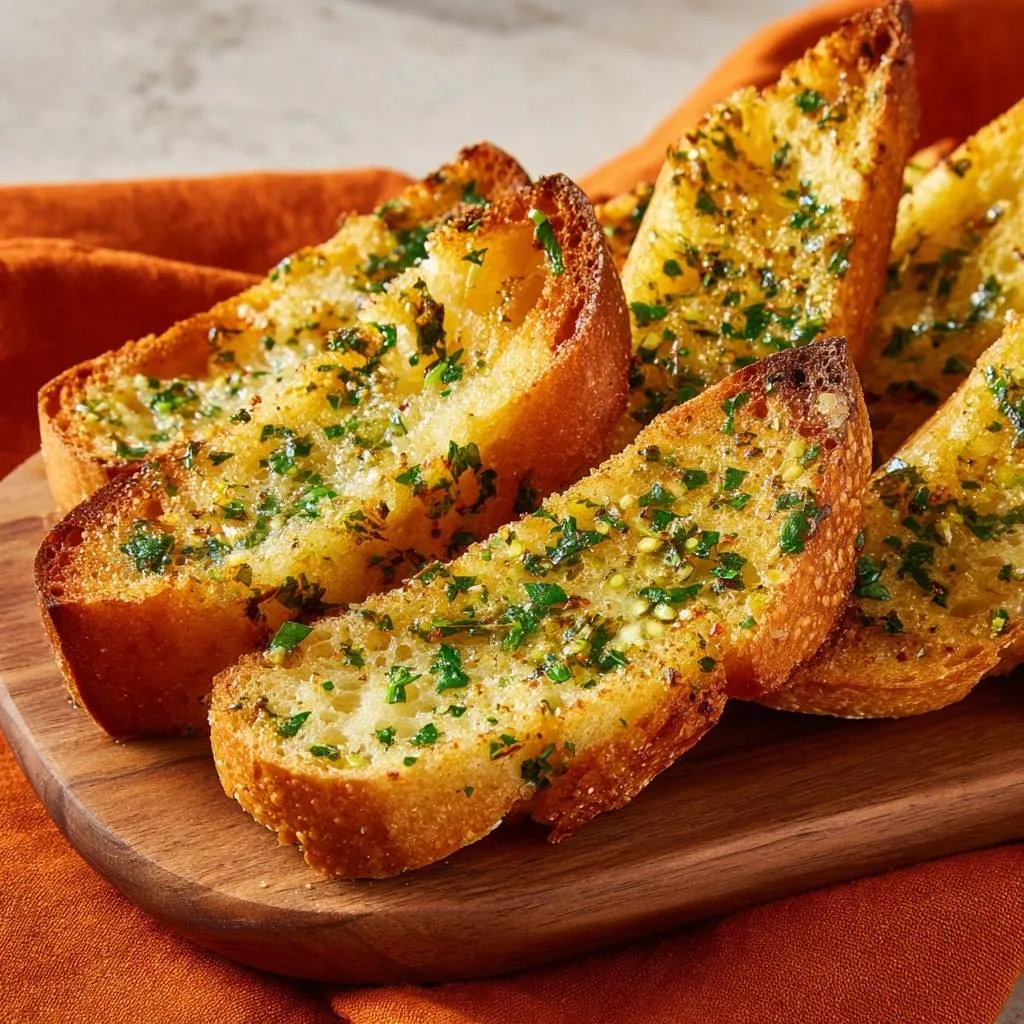
The Quest for Perfect Garlic Bread: Avoid the Soggy & the Bland
Garlic bread. Just the words conjure images of warm, aromatic delight, the perfect companion to pasta, soup, or even as a standalone indulgence. But anyone who has attempted this culinary classic knows there's a fine line between a triumph of buttery, garlicky bliss and a disappointing pile of either soggy or bone-dry toast. Achieving that elusive "perfect garlic bread" isn't about magic; it’s about understanding the synergy between your chosen loaf and the methods you employ to get that glorious garlic butter absorbed just right.
For many, garlic bread is a rare luxury, an occasion to be savored. When you decide to treat yourself, you don’t want it to be "almost right," too garlicky or too pale. You want each bite to be a testament to perfection ��� a crispy exterior yielding to a pillowy, butter-soaked crumb, bursting with pungent, savory flavor. The secret lies not just in the ingredients, but in the intelligent application of technique, ensuring every gram of that precious garlic butter finds its intended home within the bread, rather than puddling on the pan.
The Foundation: Choosing Your Perfect Loaf
The journey to avoiding soggy garlic bread begins long before the butter even meets the oven. It starts with the bread itself. Not all loaves are created equal when it comes to absorbing "obscene amounts of garlic butter" while retaining structural integrity. The most critical factor? The softness and density of the crumb.
What to Look For: The Ideal Crumb Structure
You need a bread with a crumb that's substantial enough to soak up melted butter without dissolving into a mushy mess. This rules out overly thin or crisp bases, which simply don't offer enough internal real estate for the garlic and butter to penetrate and settle. Think of your bread as a sponge – you want one with just the right porosity.
*
The Classic Baguette: Often hailed as the classic British choice, a good quality baguette is a consistent winner. Its moderately soft, open crumb readily transforms into a "buttery, parsley-flecked sponge." It has enough structure to hold up to slicing and baking, yet its interior is perfectly primed for absorption.
*
Hearty Ciabatta: For those who appreciate a bit more chew and a slightly more rustic feel, ciabatta is an excellent alternative. It offers a "bit more structure" than a baguette, with a robust crust and an airy, open crumb that equally excels at absorbing butter while providing a satisfying textural contrast.
*
Italian-Style Toast: Simple, thick slices of Italian-style bread can also work wonderfully, particularly if they possess a good, soft crumb. The key here is thickness – aim for at least ¾ to 1 inch slices to provide ample surface for butter absorption.
What to Avoid: loaves that lead to sogginess or dryness
*
Thin Pizza Bases: Modern, thin, and crisp pizza bases, while delicious for pizza, are generally unsuitable for garlic bread. There's "just nowhere for the garlic to go"; the butter simply sits on top, leading to grease and very little absorbed flavor.
*
Overly Soft Focaccia: While wonderful with olive oil, focaccia's characteristic softness often makes it too delicate for a heavy application of garlic butter. It tends to become excessively greasy and lose its pleasant chewiness, bordering on soggy, rather than forming a cohesive, buttery bite.
*
Dense, Tight-Crumbed Breads: Loaves with very dense, tight crumbs – such as some whole wheat or artisan rye breads – may struggle to absorb butter effectively, leading to either a dry interior or butter pooling on the surface.
For more in-depth guidance on choosing the right foundation, explore our article on
Perfect Garlic Bread: Master Soft Crumb & Potent Garlic Butter.
Crafting the Ultimate Garlic Butter: A Symphony of Flavor
Once you've selected your ideal bread, the next crucial step is perfecting the garlic butter. This isn't just about combining ingredients; it's about creating a potent, flavorful emulsion that will elevate your bread from simple toast to a culinary experience.
The Garlic Issue: Raw Power vs. Mellow Sweetness
While some chefs opt to cook, roast, or confit garlic before adding it to butter, the consensus among traditionalists aiming for "perfect garlic bread" is clear: raw garlic delivers the essential punch.
*
Raw, Crushed, or Finely Chopped Garlic: This is the gold standard. Mashing fresh, raw garlic directly into softened butter allows its pungent, vibrant juices to infuse the fat thoroughly. When baked, this raw garlic mellows slightly but retains its distinctive, robust flavor, providing that essential "garlic bread should pack a punch" quality. It's about releasing those powerful oils and spreading the flavor as far as possible through the butter.
*
Cooked or Roasted Garlic (Delicious, but Different): While roasted garlic, simmered confit garlic, or garlic dropped into hot oil before use can be undeniably "delicious" and impart a lovely sweetness, they tend to neutralize or soften the characteristic sharp, savory kick that defines classic garlic bread. If you're seeking that bold, traditional flavor, stick with raw.
The Butter Base & Essential Additions
*
High-Quality Unsalted Butter: Always start with good quality, unsalted butter. Soften it at room temperature to ensure it's easily workable and can fully emulsify with the garlic and other seasonings. Unsalted butter gives you control over the final sodium level.
*
Fresh Herbs: Finely chopped fresh parsley is almost universally expected in garlic bread. It adds a vibrant green hue, a touch of fresh, herbaceous flavor, and an attractive visual appeal. Other herbs like chives or a hint of oregano can also be experimented with sparingly.
*
Seasoning: Don't forget salt and freshly ground black pepper. A good pinch of salt is vital to bring out all the flavors, preventing the butter from tasting flat. Adjust to taste. Some also like a touch of Parmesan cheese mixed into the butter for an extra layer of umami.
For a deeper dive into why raw garlic is often preferred for that quintessential garlic bread experience, check out our article:
Garlic Bread Perfection: Why Raw Garlic Beats Roasted.
Application Techniques: Maximizing Absorption, Minimizing Mess
This is where the rubber meets the road – or rather, where the butter meets the bread. The method of applying your garlic butter is paramount to achieving maximum absorption and avoiding that dreaded soggy base or, conversely, a dry, under-flavored crumb.
The Golden Rule: Garlic *in* Butter, Not Just On Top
The most critical tip for avoiding soggy garlic bread while ensuring full flavor is to ensure the garlic is thoroughly mixed into a "hefty dollop of fat" (butter or a butter-oil blend) before it's applied. Spreading a thick garlic paste directly on top, as some methods suggest, merely coats the surface. It prevents the garlic and its flavor from truly soaking into the bread and can even lead to an "acrid flavor" if not properly diluted in fat.
Methods for Optimal Butter Absorption:
1.
The "Half-Slice" Whole Loaf Method: This technique is a masterclass in even absorption.
* Take your chosen loaf (baguette or ciabatta).
* Cut slices almost all the way through the loaf, leaving about a half-inch intact at the bottom crust. This creates individual "half-slices" that are still connected.
* Generously slather your prepared garlic butter between each cut, ensuring it reaches deep into the crumb.
* You can then wrap the loaf loosely in foil for the first part of baking (around 10-15 minutes) to allow the butter to melt and permeate the bread without drying out the exterior.
* Remove the foil and continue baking until the top is golden and crisp. This method ensures maximum internal saturation with minimal leakage onto your baking sheet.
2.
Thick Slices for Individual Portions: If you're using a wider loaf cut into individual, thick slices, focus on generous application and perhaps a little pre-work.
* Spread a thick layer of garlic butter evenly over one side of each slice.
* For extra absorption, you can lightly prick the surface of the bread with a fork before applying the butter; this creates tiny channels for the butter to seep into.
* Place buttered-side up on a baking sheet.
* Bake until golden and the butter is fully absorbed, with a slightly crisp exterior.
Baking for Perfection: Temperature and Timing
*
Moderate Oven Temperature: A moderate oven, typically around 375-400°F (190-200°C), works best. This allows the butter to melt and soak into the bread gradually while the exterior slowly crisps. Too hot, and the outside might burn before the inside is properly infused; too low, and you risk a greasy, under-crisped result.
*
Watch for Golden Brown: Bake until the bread is visibly golden brown, fragrant, and the butter has fully melted and appears absorbed rather than simply sitting on the surface. This typically takes 10-15 minutes, sometimes a little longer if wrapped in foil initially.
Beyond the Basics: Tips for Next-Level Garlic Bread
*
The Salt Factor: Don't underestimate the power of salt. It's often the missing element that leaves garlic bread feeling "almost right." Ensure your garlic butter is adequately seasoned – taste a tiny bit of the mixture if you're unsure.
*
Balance is Key: While we want "obscene amounts" of butter, ensure the ratio of garlic to butter is harmonious. You don't want "too much garlic and too little butter," which can result in an overly aggressive flavor and dry spots. The butter is the vehicle for the garlic.
*
A Touch of Olive Oil: Some chefs incorporate a small amount of good quality olive oil into their garlic butter. This can make the mixture slightly easier to spread and contribute to a lovely crispness on the crust.
*
Don't Waste a Drop: As one expert eloquently put it, "to spill garlic butter on to barren ground is surely a sin." Use a rimmed baking sheet to catch any potential drips, or as suggested, the foil-wrapping method for whole loaves can minimize leakage.
*
Serving Suggestions: The perfect garlic bread pairs beautifully with a great big pot of easy meatballs, a generous portion of lasagna, a plate of crispy zucchini chips, a dollop of marinara, or simply a fresh, perfect green salad. It's a versatile side dish that elevates any meal.
*
Fresh Finish: A final sprinkle of fresh parsley after the bread comes out of the oven adds a burst of vibrant color and freshness, enhancing the visual appeal and adding a final aromatic touch.
Conclusion
Achieving the perfect garlic bread is a truly rewarding culinary endeavor. It's a dish that, when done right, transcends its simple ingredients to become something truly memorable. By focusing on the right bread with a soft, absorbent crumb, embracing the potent punch of raw garlic in your butter, and employing smart application techniques that prioritize absorption over surface coating, you can confidently avoid the pitfalls of sogginess or dryness. With these tips and insights, every slice will be a celebration of flavor and texture, ensuring your garlic bread is not just good, but truly perfect, every single time.