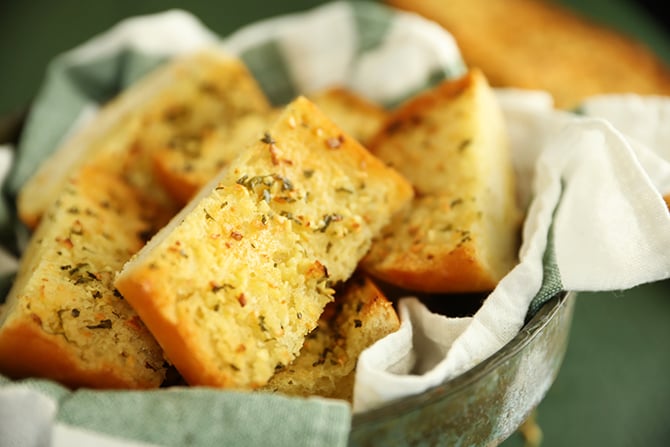
Perfect Garlic Bread: Master Soft Crumb & Potent Garlic Butter
Few culinary delights can rival the sheer joy of biting into a slice of perfectly crafted garlic bread. It’s a dish so universally beloved that, as some retro recipe authors boldly declare, "Anyone who says they don't like garlic bread must be fibbing." While the premise seems simple – garlic, butter, bread – achieving that transcendent balance of a meltingly soft interior, a satisfyingly crisp crust, and a potent, aromatic garlic punch is an art form worth mastering. Forget the pale, anemic supermarket versions; we’re on a quest to elevate this humble side dish into a star.
The journey to perfect garlic bread begins long before it hits the oven. It's a thoughtful process of selecting the right canvas, preparing the hero ingredient with respect, and uniting them in a harmonious blend that sings on the palate. Let’s dive into the essential elements that transform a good garlic bread into an unforgettable one.
The Quest for the Perfect Crumb: Selecting Your Bread Base
The foundation of exceptional garlic bread lies in your choice of bread. This isn't just about flavour; it's crucially about texture and, most importantly, absorption. The ideal bread acts like a delicious sponge, capable of soaking up "obscene amounts of garlic butter" without collapsing into a soggy mess or remaining stubbornly dry. This fundamental requirement immediately rules out certain popular choices.
- The Unrivalled Baguette: Often considered the classic choice, particularly in British culinary tradition, the humble baguette consistently delivers. Its sturdy yet open crumb structure, combined with its crisp crust, allows it to absorb the buttery goodness beautifully, transforming into a rich, parsley-flecked delight.
- The Sturdy Ciabatta: For those who appreciate a bit more chew and structural integrity, ciabatta is an excellent alternative. Its slightly chewier texture offers a satisfying contrast to the soft, garlic-infused interior, making each bite an interesting experience.
- Why Some Breads Fall Short:
- Thin Pizza Bases: Modern, thin, and crisp pizza bases, while delicious in their own right, simply don't provide enough surface area or internal structure for the garlic butter to penetrate and settle. The garlic has "nowhere to go," resulting in a topping rather than an infusion.
- Overly Soft Focaccia: While focaccia is undeniably delightful with olive oil, its extremely soft and often oily texture isn't ideal for the rich demands of garlic butter. It tends to become too greasy and lacks the necessary structure to hold its shape once saturated.
- Stale Slices vs. Whole Loaves: While some recipes advocate for using thick slices of leftover bread, this can lead to considerable "leakage" of precious garlic butter. A whole loaf, partially sliced, allows the butter to melt and absorb inwards, minimizing waste and maximizing flavour.
Ultimately, the goal is a bread that offers a soft, yielding crumb capable of embracing the butter, encased in a crust that can crisp up beautifully in the oven. For further insights on avoiding a soggy outcome and optimizing butter absorption, you might find our guide on Avoid Soggy Garlic Bread: Best Breads & Butter Absorption Tips incredibly helpful.
Unleashing the PUNCH: The Art of Garlic Preparation
This is where garlic bread truly defines itself. The debate between raw and cooked garlic is a passionate one, and for a truly potent, flavour-packed garlic bread, the answer is unequivocally raw. While roasted, confited, or sautéed garlic has its place in gourmet cooking, it fundamentally misses the point of traditional garlic bread's robust, pungent character.
- The Power of Raw Garlic:
- Crushed or Finely Chopped: To achieve that signature "punch," raw garlic must be crushed or very finely chopped. This process ruptures the cell walls, releasing the potent allicin compounds responsible for garlic's distinctive aroma and flavour. When mashed directly into softened butter, these juices permeate the fat, ensuring every particle of butter is infused with vibrant garlic essence.
- Why It Matters: This method ensures the garlic's sharp, fresh zing is front and centre, cutting through the richness of the butter and creating a truly memorable experience. It’s the kind of assertive flavour that makes garlic bread so addictive.
- The Case Against Cooked Garlic for Garlic Bread:
- Roasted Garlic: Roasting garlic sweetens it considerably, transforming its aggressive bite into a milder, almost jammy sweetness. While undeniably delicious in other contexts, this mellow profile diminishes the characteristic pungency we seek in garlic bread. Nigella Lawson's method of puréeing roasted garlic for hearthbread, while lovely, produces a different flavour profile—one that might leave aficionados of traditional garlic bread wanting more "oomph."
- Confit Garlic: Similarly, garlic simmered in milk and sugar, as described by Locatelli, yields a sticky, sweet result. It's a gourmet delight, but like roasted garlic, it sacrifices the raw power that defines classic garlic bread.
- Sautéed Garlic: Even lightly sautéing garlic in hot oil, as some chefs do to "neutralize" the flavour, risks losing that essential raw edge.
For a garlic bread that truly delivers a powerful flavour statement, stick with raw garlic. It's the secret to an uncompromisingly bold taste that resonates with every bite. To delve deeper into this aromatic controversy, explore our article: Garlic Bread Perfection: Why Raw Garlic Beats Roasted.
The Golden Elixir: Crafting Your Potent Garlic Butter
The garlic butter isn't just a spread; it's the magical emulsion that binds all the elements together. Its texture, flavour profile, and method of application are critical for achieving garlic bread nirvana.
- The Indispensable Role of Butter: While olive oil has its place, particularly in Mediterranean cooking, for true garlic bread, butter is non-negotiable. Its creamy texture and rich flavour provide the perfect vehicle for the raw garlic, ensuring deep penetration and a luxurious mouthfeel.
- The Perfect Garlic Butter Recipe:
- Unsalted Butter: Softened to room temperature, unsalted butter gives you complete control over the final seasoning.
- Generous Raw Garlic: As discussed, finely minced or crushed, not puréed from cooked garlic. Aim for a substantial amount—don't be shy!
- Flaky Sea Salt: Essential for enhancing all the flavours.
- Fresh Parsley: Finely chopped, this adds a touch of freshness, vibrant colour, and a subtle herbaceous note that complements the garlic beautifully. It's an aesthetic and flavour enhancer.
- A Pinch of Black Pepper: Optional, but a fresh grind can add a delicate warmth.
- Mixing and Infusion: Combine all ingredients thoroughly. Allow the butter to sit at room temperature for an additional 15-30 minutes after mixing. This brief infusion time allows the raw garlic's potent juices to truly meld with the butter, creating a more cohesive and deeply flavoured spread.
The Perfect Union: Assembly, Baking, and Serving
With your ideal bread and potent garlic butter ready, the final steps are about thoughtful assembly and strategic baking to maximize flavour and texture.
- Getting the Butter In, Not Just On: This is a crucial distinction. Simply spreading garlic butter on top, as some quick methods suggest, leads to poor absorption and potential "leakage" of the precious butter onto the baking sheet—a culinary sin!
- The "Half-Slice" Technique: For a whole baguette or similar loaf, slice it almost all the way through, creating individual portions that remain connected at the base. This allows you to generously spread the garlic butter into every crevice, ensuring it melts and permeates deeply into the crumb.
- Deep Slashes: Alternatively, make deep, diagonal slashes across the top of the loaf, then spoon or spread the butter generously into these cuts.
- Baking for Golden Perfection:
- Temperature: Preheat your oven to a moderate-high temperature, around 180-200°C (350-400°F).
- Initial Bake (Covered): To ensure the bread heats through and the butter melts and absorbs without drying out or burning the garlic, loosely tent the loaf with foil for the first 10-15 minutes. This creates a steamy environment that encourages the butter to sink in.
- Final Bake (Uncovered): Remove the foil and continue baking for another 5-10 minutes, or until the edges are golden brown and crisp, and the interior is soft and fragrant. Keep a close eye to prevent burning.
- Serving Immediately: Garlic bread is best enjoyed hot, straight from the oven, when the butter is still glistening and the aroma is at its peak. Slice fully and serve alongside a hearty bowl of pasta, a comforting pot of meatballs, or simply as a luxurious accompaniment to a crisp green salad. It's a rare treat, and when made perfectly, every bite is a celebration.
Conclusion
Crafting the perfect garlic bread is a testament to the idea that simplicity, executed with care and attention to detail, can yield extraordinary results. By choosing the right bread for optimal butter absorption, insisting on the vibrant punch of raw garlic, meticulously preparing your golden garlic butter, and baking it with precision, you unlock a level of flavour and texture that supermarket varieties can only dream of. So, next time the craving strikes, embrace the art of the perfect garlic bread. You won't regret a single, buttery, garlicky bite.
